Institute for
Industrial Technology

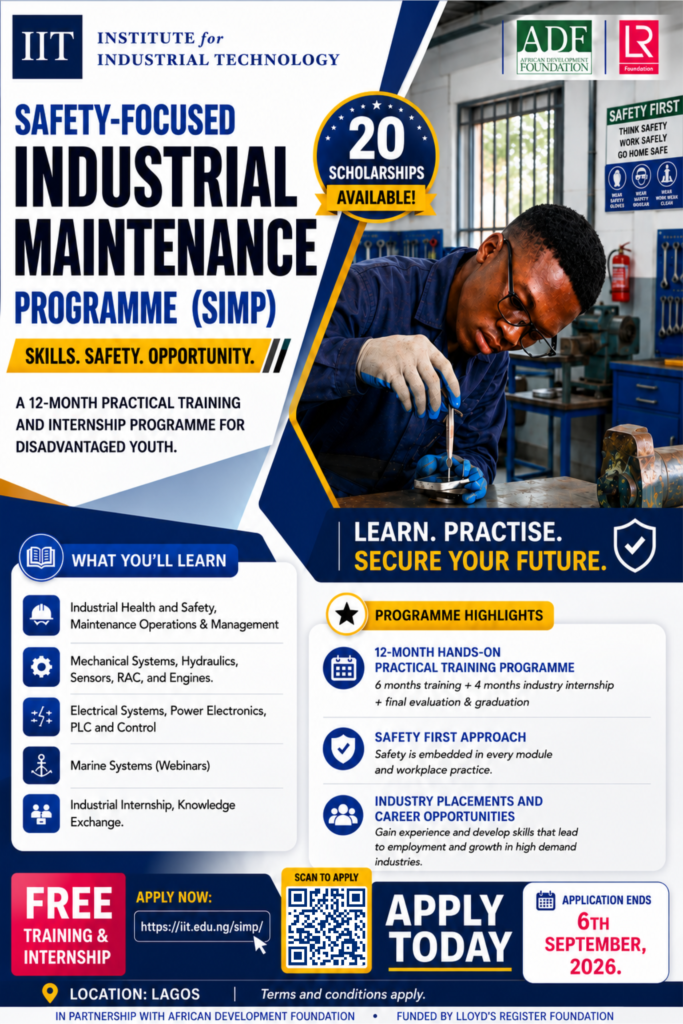
Programmes Overview

IIT employs the Dual System of vocational training developed in Germany but adapted to the culture and industrial environment of Nigeria.  This system provides two venues of learning: the school and the company. The operation of the system is as follows:
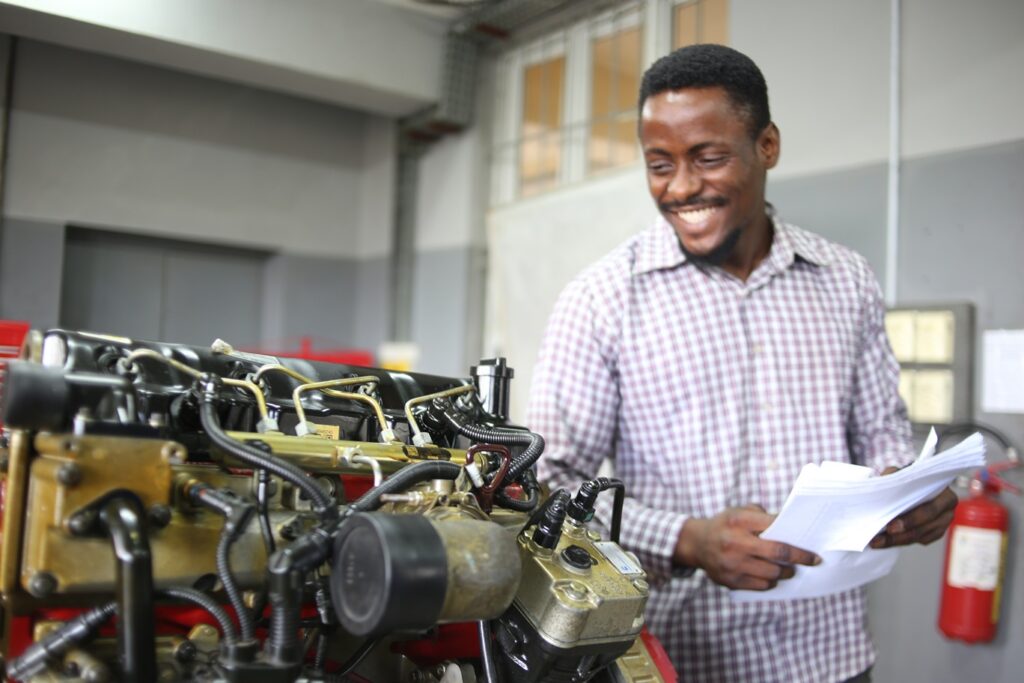
Trainees (in the 3-year program) spend a total of one year in the school for the theoretical concepts and train for one year in the company for the actual work training exposure.  This is done after the first 12 months full-time in-school program. This innovative scheme is considered an effective skills-enhancing approach that bridges the mismatch between the school and the world of work.

  • The basic skills they learn during the 1st year are the entrance level skills requirement needed so that companies will accept them for the next phase.
  • To avoid trainee exploitation, the cooperating companies and IIT jointly design and monitor the in-plant training component. Training stations are identified and in agreement with IIT, the company and the trainee sign a memorandum of training agreement.

Other specific characteristics of the school include:

  • Skills taught are tailored to the needs of the different industries in the economy while maintaining a strong link with them. Practical training in industry is sandwiched with training in school. This makes it easier for industry to absorb/retain the graduates at the end of their training.
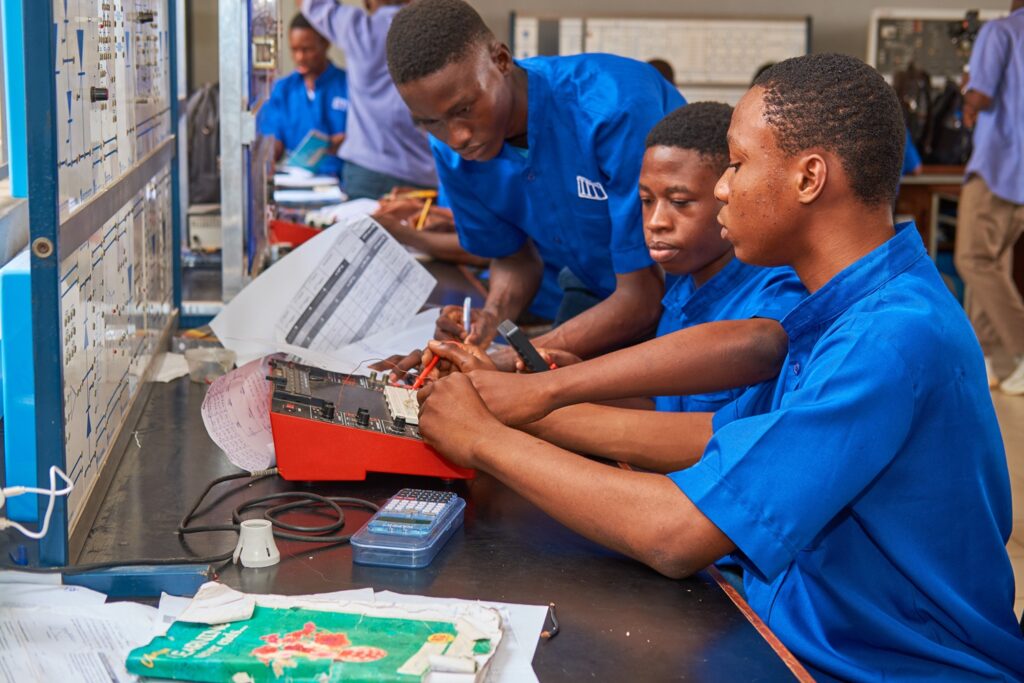
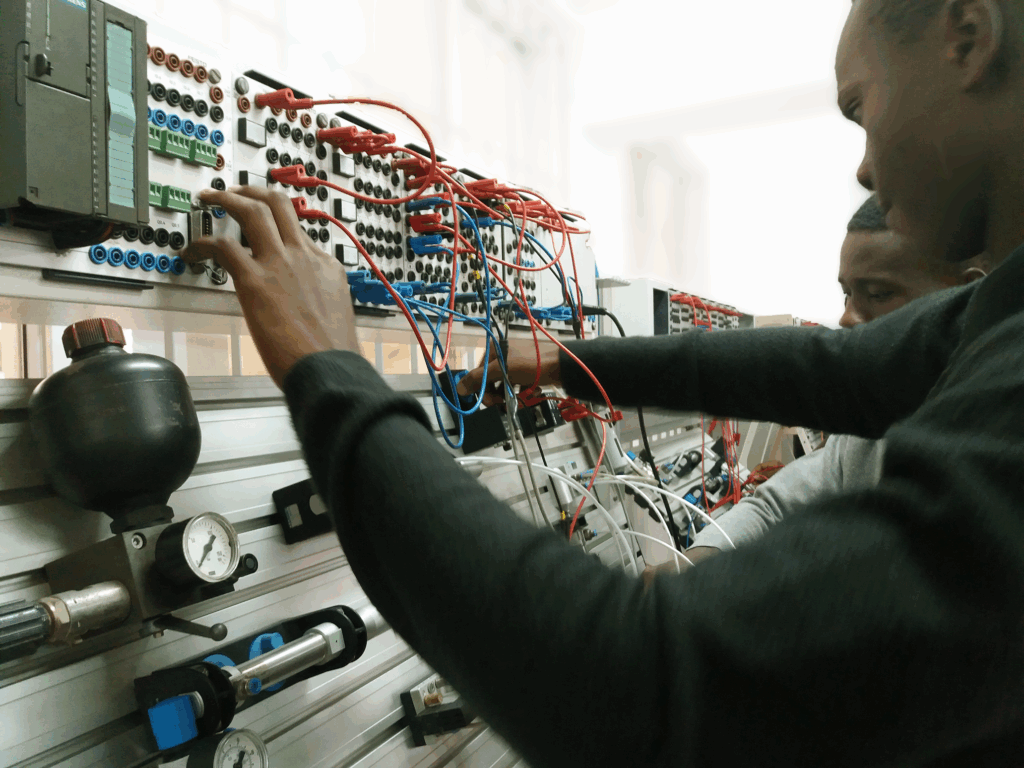
  • Within the school an integrated method of teaching in which theory and practice go hand in hand is used. Practical content is as high as 70%.
  • Training imparted has a three-fold dimension: technical capability, entrepreneurial ability and moral rectitude. These form the distinguishing features of our programs.
  • Continuous updating/retraining of teachers/instructors in relevant technology is also pursued.
  • Emphasis is placed on continuous investment in standard and up-to-date training equipment/technology.

Site Credits: Digital Craft Studios